
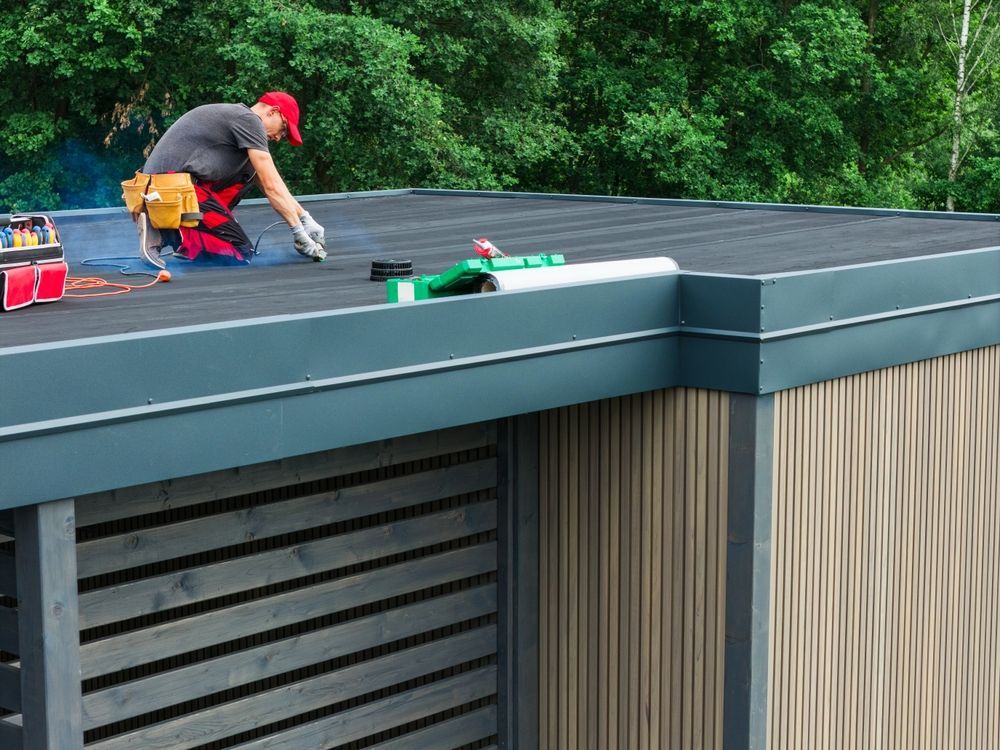
Systems That Keep Operations Running
Commercial Roofing in Lee for flat roofs and low-slope systems on business properties
Flat roofs and low-slope systems behave differently than residential pitched roofs, relying on membrane integrity and drainage design rather than gravity to shed water. Briggs Roofing Company installs, replaces, and maintains commercial roofing systems across Lee, where business owners need work completed without shutting down operations or disrupting customer access. The roofing approach for a retail building differs from that of a warehouse or office complex, with considerations for foot traffic, HVAC equipment loads, and the need to coordinate work around business hours.
Commercial roofing addresses ponding water that sits more than forty-eight hours after rainfall, membrane seams that separate and allow leaks, and aging materials that lose flexibility and crack during freeze-thaw cycles. The service includes evaluating drainage patterns, determining whether a coating system can extend the existing roof's life, or planning full replacement when the substrate has deteriorated beyond repair.
Arrange a site evaluation to review your current roof condition and discuss scheduling options that minimize impact on daily operations.
How Commercial Roofing Addresses Durability Needs
Work begins with an assessment of the existing roof assembly, including core samples if needed to determine how many layers are present and whether the decking can support additional weight. Membrane options include TPO, EPDM, and modified bitumen, each with different installation methods, seam types, and expected service life depending on the building's exposure and use.
After installation, water drains completely to scuppers or interior drains without forming puddles, seams remain sealed during temperature swings, and the roof surface resists punctures from foot traffic during maintenance visits. Business owners notice that interior ceiling stains stop expanding, HVAC efficiency improves when the roof membrane reflects rather than absorbs heat, and the roof no longer requires emergency patching after every significant storm.
The installation includes flashing all penetrations, sealing around rooftop equipment, and ensuring that the roof ties into parapet walls correctly. Projects proceed in phases when necessary to keep portions of the building operational, with sections completed and sealed each day to prevent exposure overnight.
Answers to Frequent Service Questions
Business owners typically ask about project timelines, disruption to operations, and options for extending the life of an existing roof.
What types of commercial roofing systems are available?
TPO membranes offer heat reflection and welded seams, EPDM provides flexibility and puncture resistance, and modified bitumen allows for torch-down or cold-applied installation depending on building occupancy and fire code requirements.
How long does a commercial roof replacement take?
Project duration depends on building size and complexity, though most installations are scheduled in phases to maintain business access, with each phase sealed and watertight before crews leave each day.
Can an existing roof be restored instead of replaced?
Coating systems can extend the life of a structurally sound roof by ten to fifteen years if the membrane and substrate are intact, though this option only works when ponding water and seam failures are not already present.
How does weather in Lee affect commercial roofing choices?
Winter freeze-thaw cycles and snow loads require membranes that remain flexible in cold temperatures and drainage designs that prevent ice buildup around roof drains, which can cause backup and interior flooding during spring melt.
What maintenance does a commercial roof need after installation?
Quarterly inspections to clear drains and check seams, plus immediate repair of any punctures or damage from equipment work, prevent small issues from becoming leaks that damage interior finishes and inventory.
Briggs Roofing Company manages project timelines to align with your operational needs and communicates schedule changes immediately when weather delays work. Contact our team to discuss a consultation that evaluates both immediate repairs and long-term replacement planning.