
Solutions That Stop Winter Damage
Ice Dam Prevention in Lee for homes experiencing roof edge ice buildup and interior water damage
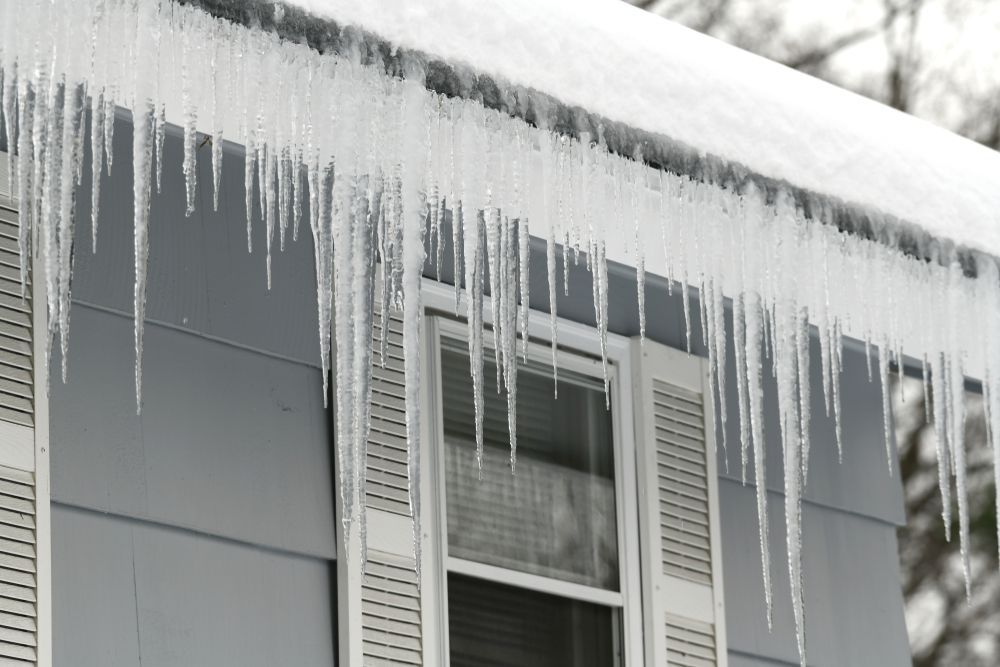
Ice dams form when heat escapes through the roof, melting snow on the upper sections while the lower edges remain frozen, causing meltwater to pool and refreeze at the eaves where it backs up under shingles and leaks into walls and ceilings. The Berkshires see persistent winter conditions that create ideal circumstances for ice dam formation, particularly on homes with insufficient attic insulation, blocked soffit vents, or cathedral ceilings that transfer heat directly to the roof surface. Briggs Roofing Company addresses ice dam prevention through insulation upgrades, ventilation improvements, and air sealing that keeps attic temperatures consistent with outdoor conditions, eliminating the temperature differential that drives the freeze-thaw cycle at the roof edge.
This service corrects heat loss through recessed lights, attic hatches, and gaps around chimneys that warm the attic space unevenly, along with ventilation blockages that trap warm air near the roof deck. Prevention focuses on stopping ice dams before they form rather than reacting to damage after water has already entered the structure.
Arrange a winter roof inspection to identify heat loss patterns and ventilation deficiencies that contribute to ice dam risk on your property.
Why Proper Ventilation Works for Ice Dams
Prevention begins with evaluating attic insulation depth and identifying thermal bypasses where warm air leaks from living spaces into the attic, which commonly occurs at plumbing stacks, electrical penetrations, and the junction between walls and ceilings. Adding insulation to achieve an R-value appropriate for the region and sealing all air leaks reduces heat transfer, while ensuring balanced intake and exhaust ventilation allows cold outdoor air to circulate through the attic and keep the roof deck cold.
Once prevention measures are complete, snow remains on the roof uniformly without melting in patches, icicles no longer form along gutters and eaves, and interior walls stay dry even during prolonged cold periods following snowstorms. You no longer need to clear ice buildup manually or worry about ceiling stains appearing during winter thaws, and gutters function normally instead of tearing away from the fascia under the weight of ice.
The work includes sealing around attic hatches and recessed lights, installing baffles to maintain airflow from soffit vents to ridge vents, and adding insulation in areas where it has settled or been displaced. In cases where cathedral ceilings prevent traditional ventilation, other solutions such as spray foam insulation may be required to create a thermal barrier.
Questions Before Starting Your Project
Homeowners dealing with ice dams want to know what causes them, how prevention differs from removal, and what changes actually stop the cycle.
What actually causes ice dams to form?
Heat escaping through the roof melts the bottom layer of snow, and that meltwater runs down to the eaves where the roof surface is below freezing, causing it to refreeze and build up into a dam that blocks further drainage and forces water under shingles.
How does attic ventilation prevent ice dams?
Proper ventilation brings cold outdoor air into the attic through soffit vents and exhausts it through ridge vents, keeping the entire roof deck at the same temperature as the outdoor air so snow does not melt unevenly.
Why does insulation matter if ventilation is adequate?
Insulation on the attic floor prevents heated air from the living space below from warming the attic in the first place, reducing the heat load that ventilation must remove and ensuring the attic stays cold throughout winter.
What are the most common heat loss points in homes around Lee?
Recessed lighting fixtures, attic access hatches without weatherstripping, gaps around chimney chases, and insufficient insulation above exterior walls where the ceiling meets the roofline all allow significant heat escape that contributes to ice dam formation.
When should ice dam prevention work be completed?
Fall is the ideal time to assess and correct insulation and ventilation issues so the roof is prepared before the first heavy snowfall, though emergency interventions can happen mid-winter if damage is already occurring.
Briggs Roofing Company evaluates the entire thermal envelope and ventilation system to identify all contributing factors, not just the most obvious issues. Call to schedule a prevention assessment that addresses insulation, air sealing, and ventilation together for a complete solution.